Largest Ever IPA Convention Focuses on Low Oil Prices


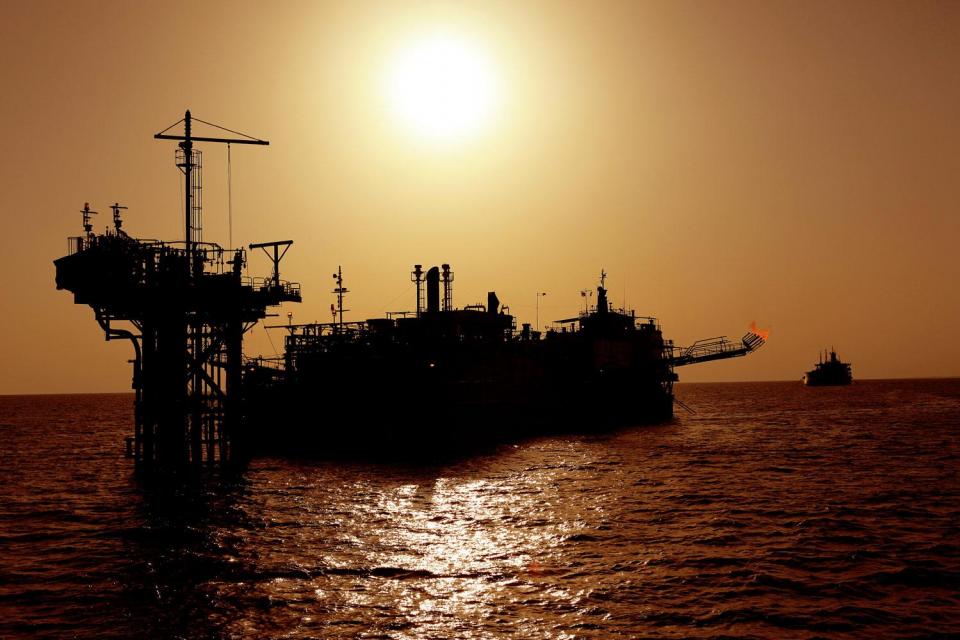
The slump in oil prices in the past year has been a concern for many in the oil and gas sector, including the government and industry players. Low oil prices have made the oil and gas business unprofitable and many companies have cut back their operations and business expansion. As a result, the discovery of new reserves and oil and gas production has continued to decline.
This issue was the focus of the Indonesian Petroleum Association (IPA) at the 40th IPA Convention and Exhibition (IPA CONVEX), running from Wednesday (25/6) to Friday (27/6) at JCC, Senayan, Jakarta. This year, the largest oil and gas event in the Southeast Asia will address the theme “Shifting Paradigms in Indonesia. Supplying Energy in the New Reality".
This annual event was organised by IPA, a non-profit organization founded in 1971 by 53 companies representing the key stakeholders in the Indonesian upstream oil and gas sector. The association now has more than 120 members, and more than 1,500 corporate sponsors.
Previous IPA CONVEX have attracted around 20,000 visitors and more than 4,000 delegates and speakers from 26 countries. These included government officials from the oil and gas sectors in other countries and CEOs from the world’s leading companies.
This year’s event presents a complete range of programs, from discussion forums featuring key speakers from all stakeholders to technical presentations of the latest technological innovations. The paradigm shift in the oil and gas industry will be the main focus of discussion during the convention.
The IPA is calling for a paradigm shift by all stakeholders in the oil and gas industry in response to the slump in crude oil prices since mid-2014 to US$ 40 per barrel, which has been an enormous challenge for the oil and gas industry. "We recognise the importance of dialogue between all stakeholders to find common ground," said IPA 2016 CONVEX Chair, Marudut Manullang in a press release late February.
In terms of energy security, low oil prices pose a long-term threat. The scaling back of exploration and production activities mean that Indonesia’s oil resources are not growing. Low prices also spark an increase in consumption
IPA recognises the advances and improvements that the government has made in the past year, including expediting licensing by providing one-stop services at the Capital Investment Coordination Agency. The government has also issued several oil and gas policies, particularly to facilitate the construction of refineries.
To boost the oil and gas investment climate in Indonesia and preserve energy security, reforms like these must continue and be stepped up. IPA President Christina Verchere said that the IPA is always ready to cooperate with the government to formulate and implement the necessary changes. “We are waiting for more initiatives from the regulator that will allow the oil and gas industry to continue to contribute to the country’s energy security under these adverse circumstances,” said Verchere.
Dapatkan pengalaman membaca lebih nyaman dan nikmati fitur menarik lainnya lewat aplikasi mobile Katadata.