Medium-sized Debtor Trigger Rise in Bank Mandiri"s Non-performing Loan


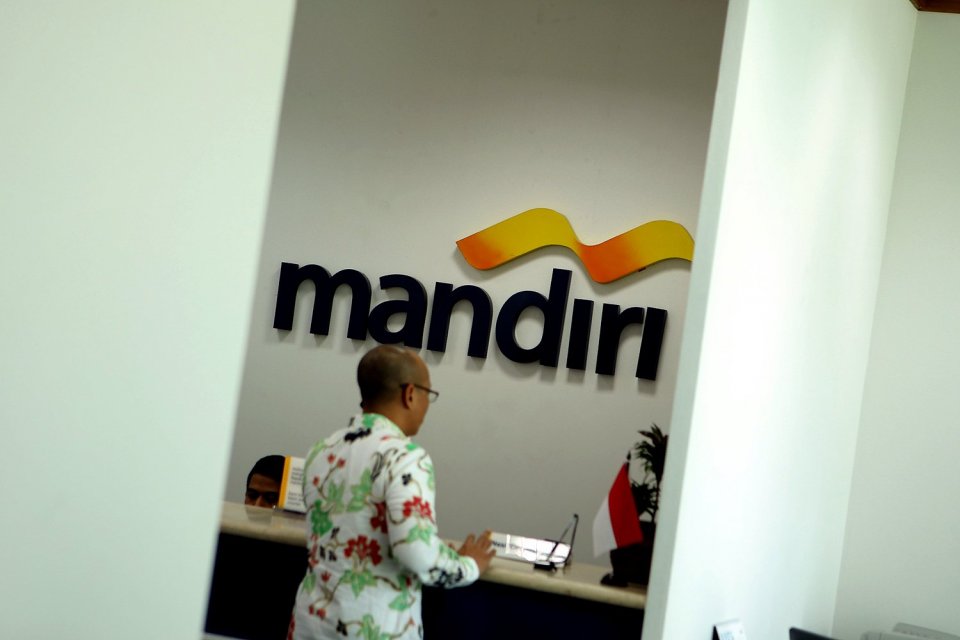
Indonesia’s largest state bank, Bank Mandiri, has not escaped the effects of the economic slowdown. One indicator of this is the increase in the bank’s non-performing loans (NPL) ratio in the first quarter of 2016.
President Director of Bank Mandiri Kartika Wirjoatmodjo said that the bank’s gross and net NPL ratios rose to 3.18 percent and 1.36 percent, respectively, from 2.27 percent and 0.86 percent in the same period last year. The increase in the NPL ratio was in the medium-sized segment.
"These customers are medium-sized, regional enterprises, not big corporations," said Kartika at the Plaza Mandiri Building, Jakarta, Monday (16/5) (See also: Bank Mandiri to Expand to Three ASEAN Countries).
Kartika explained that most medium-sized businesses rely on a single revenue source. When there is a problem with that revenue source, their repayment capability will be greatly reduced, which affects the quality of their debt repayment. This happens in commodity-based industries, for example. (See also: Chinese funds, Sinar Mas Group Biggest Borrower of State Bank).
Mandiri data show that non-performing loans in the medium-sized segment are expanding this year. Initially, only commodity-based industries were affected by the economic slowdown. Now the problem has spread to the steel, barge, and cigarette industries as well, all three of which have been hit by falling prices and low demand.
Bank Mandiri Director Ahmad Siddik Badruddin echoed Kartika’s words. The biggest increase was in commercial banking, from 2.6 percent at the end of 2015 to 4.4 percent in March 2016. "Their business depends on commodities, such as coal, oil, and gas. Their associated businesses, such as barges and heavy plant, were also the most affected," he said. (See also: Higher Operating Income Boosts Bank Mandiri’s Net Income to IDR 3.8t).
Kartika, however, emphasised that the expansion of non-performing loans in this segment is smaller than expected. Bank Mandiri had forecast even larger NPL. So he is confident that the bank can mitigate the problem. The collectability of loans has increased, which means that the bank must increase the provision to ensure that it has sufficient reserves to back the NPL ratio.
Nonetheless, Kartika is confident that the rise in loan collectability that resulted in the need for increased provision will not affect or erode capital. "The profit margin is still positive. Capital will be eroded if the profit margin is negative. (The bank) still has a positive profit margin of IDR 3.8 trillion," he said.
Dapatkan pengalaman membaca lebih nyaman dan nikmati fitur menarik lainnya lewat aplikasi mobile Katadata.