Adaro Footprints and Hong Kong Energy Transition


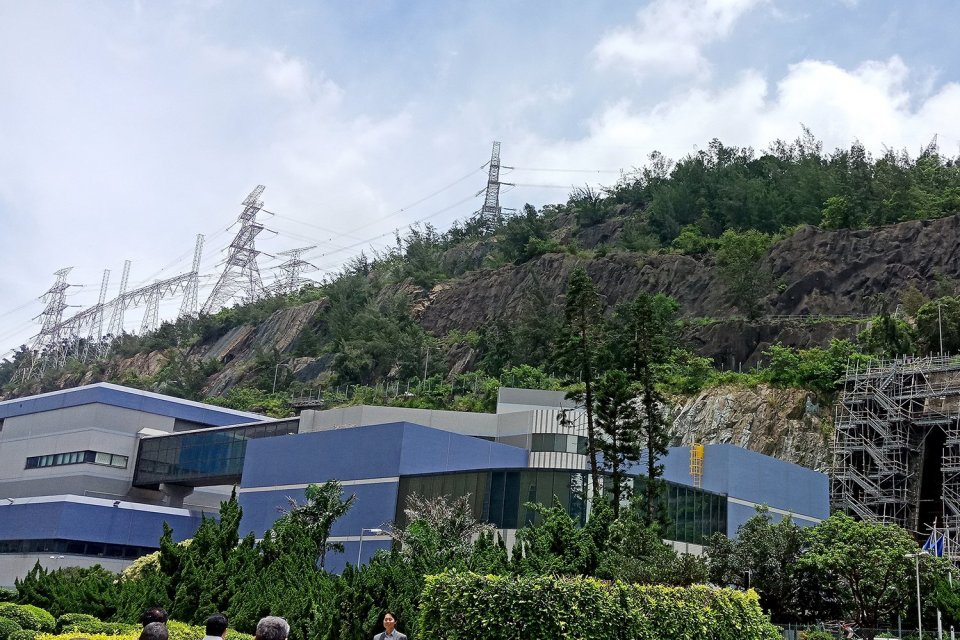
To meet the electricity needs, CLP produces electricity from three plants.
First, Castle Peak Power Station in Tuen Mun, Kowloon. This steam power plant was built in 1982 with a capacity of 4,108 MW. It uses coal as fuel, but can also use oil and natural gas as alternative fuels.
Second, Black Point Power Station in Tuen Mun. It has a capacity of 2,500 MW and became one of the largest gas-fired power plants in the world. When it was first operated in 1996, CLP Power was listed as the first electricity supplier using a natural gas-fired generator in Hong Kong.
Third, Penny’s Bay Power Station in the eastern region of Lantau Island. This diesel-fired power plant only produces 300 MW of electricity because it is intended as a reserve to meet electricity needs when there is an emergency and soaring demand.
Moreover, CLP Power has a contract to purchase 70 percent of electricity from Guangdong Daya Bay Nuclear Power Station that has a capacity of 1,968 MW. This is the first large-scale nuclear power plant in mainland China, which is commercially operated.
CLP Power also has the right to purchase 50 percent of the electricity produced by the Guangzhou Pumped Storage Power Station, which has a capacity of 2,400 MW. The company has held this right for 40 years thanks to its ownership in Hong Kong Pumped Storage Development Company Ltd.
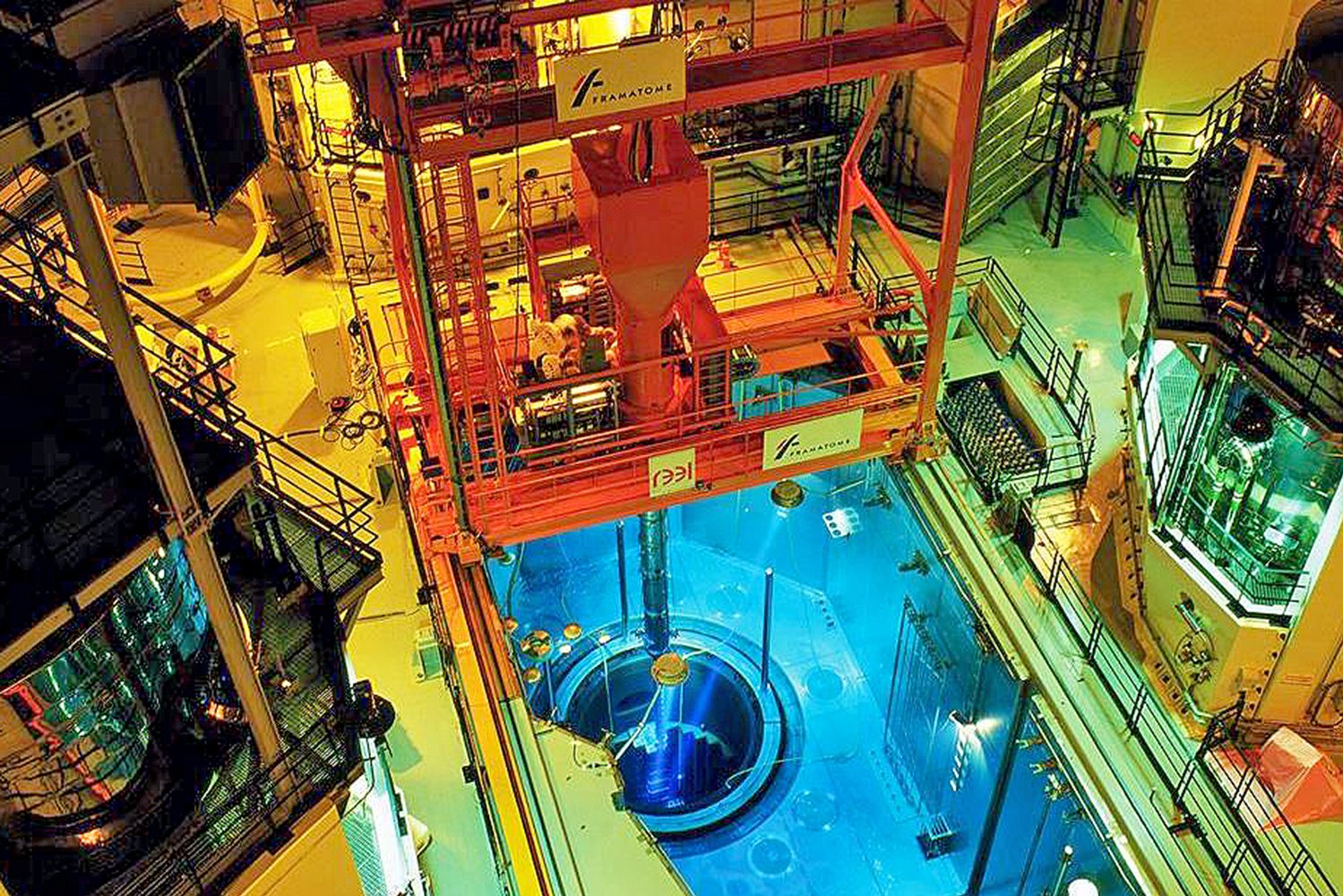
CLP Power has actually adopted the energy mix and fuel diversification strategy for a long time. This is why it became the first electricity company to use natural gas in Hong Kong.
Nuclear-fired power plants are also seen as providing significant benefits in the effort to deal with climate change. According to their records, carbon dioxide emissions have fallen by more than 100 million tons over the past two decades thanks to the import of electricity from the Guangdong Daya Bay Nuclear Power Station.
CLP Power also stated that the emission level could be reduced by more than 85 percent since 1990, even though in the same period the electricity demand actually increased by 80 percent.
CLP-Adaro Cooperation
So what are the efforts from coal plants to minimize their emissions? The answer is Castle Peak Power Station only wants to use low-emission coal.
In its public exposure, CLP stated that their generators have been using ultra low-sulphur coal, which is only 0.1 percent. This type of coal has been used since the beginning of the 21st century.
The company also owns an emission control facility, which has been operating since 2011. Nitrogen oxide emissions can be reduced by more than 50 percent through this facility. Sulphur dioxide emissions are reduced by more than 90 percent and particles are reduced by more than 99.8 percent.
This has made Castle Peak Power Station as one of the cleanest coal power plants in the world.

Based on those strict requirements, the coal produced by PT Adaro Energy Tbk from its mine in South Kalimantan became the choice.
“Adaro’s coal produces low emissions and has a good quality,” CLP Senior Director Pak Cheong Lo said while welcoming Adaro’s executives and mass media leaders from Indonesia in Hong Kong on Monday (7/8).
Dapatkan pengalaman membaca lebih nyaman dan nikmati fitur menarik lainnya lewat aplikasi mobile Katadata.