Adaro Footprints and Hong Kong Energy Transition
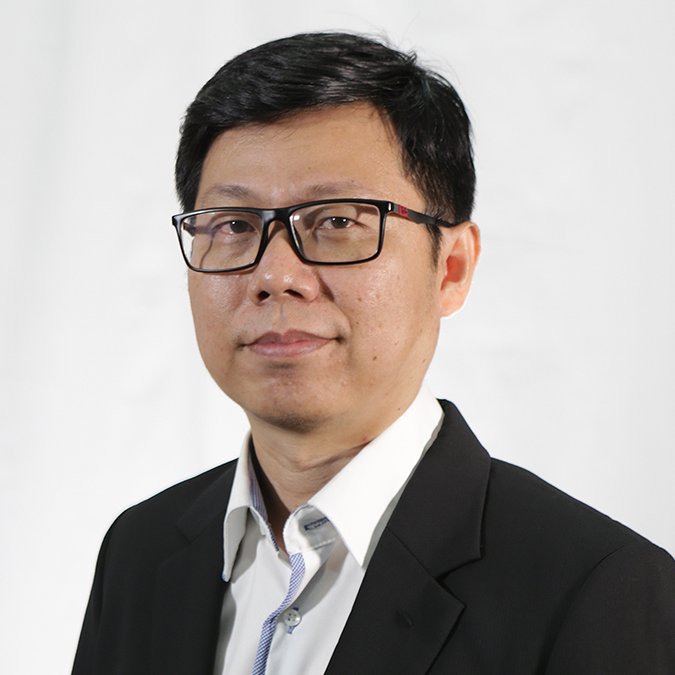

Adaro President Director Garibaldi “Boy” Thohir responded by saying that CLP was indeed one of its main partners so far. “Our relationship with CLP has lasted more than 20 years,” Boy said.
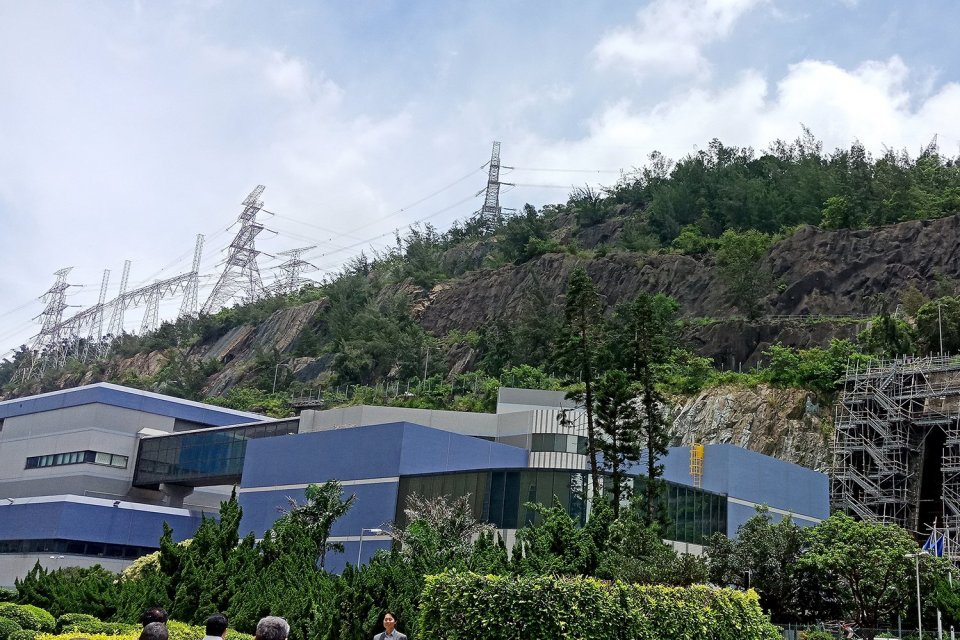
The coal demand for the 4,108 MW power plant is around 6.5 million tons per year. Of that amount, Adaro will supply 2.3-2.5 million tons.
“Why did they choose Adaro?” Boy said. “It’s because Adaro's coal quality is very special [very low sulphur], so it can meet the strict environmental standards in Hong Kong.”
In addition to CLP, Adaro also supplies coal to Hong Kong Electric. Thus, the total coal exported by Adaro to Hong Kong is reaching 3.5 million tons. It is not easy to meet the strict requirements and regulations set by the Hong Kong government.
“But we were able to prove it for 20 years. Adaro's coal is their leading coal.”
Boy admitted that Adaro’s coal might not be the best in terms of quality, but the low level of sulphur and ash from combustion is its very own added value.
With these advantages, the selling of Adaro's coal products with environmentally friendly coal or envirocoal trademark goes very well in the international market, including Japan, which is also very strict about its environmental standards. Adaro’s coal has a premium price.
From the 56 million tons of coal it produces, around 70 percent or 40 million tons are exported to 17 countries. “The biggest ones are Malaysia, Japan, Hong Kong-China, and Spain,” Boy said.
Seeing the great potential of Adaro’s coal, it is not surprising that the coal mine in Tanjung Regency, South Kalimantan, was contested in 2005.
However, the business dispute ended with victory in the hands of the company’s quartet: Boy Thohir, Edwin Soeryadjaya, Theodore P. Rachmat and Benny Subianto. They bought Adaro from Deutsche Bank through PT Dianlia Setyamukti.
The decision was confirmed through the decision of the Singapore High Court on September 21, 2007. The judge rejected the claim from Beckett Pte Ltd, a Singapore-based company whose majority shares are owned by Sukanto Tanoto through PT Unigaruda Masabadi and Hashim Djojohadikusumo through Metropolitan Investment International Ltd (British Virgin Islands).
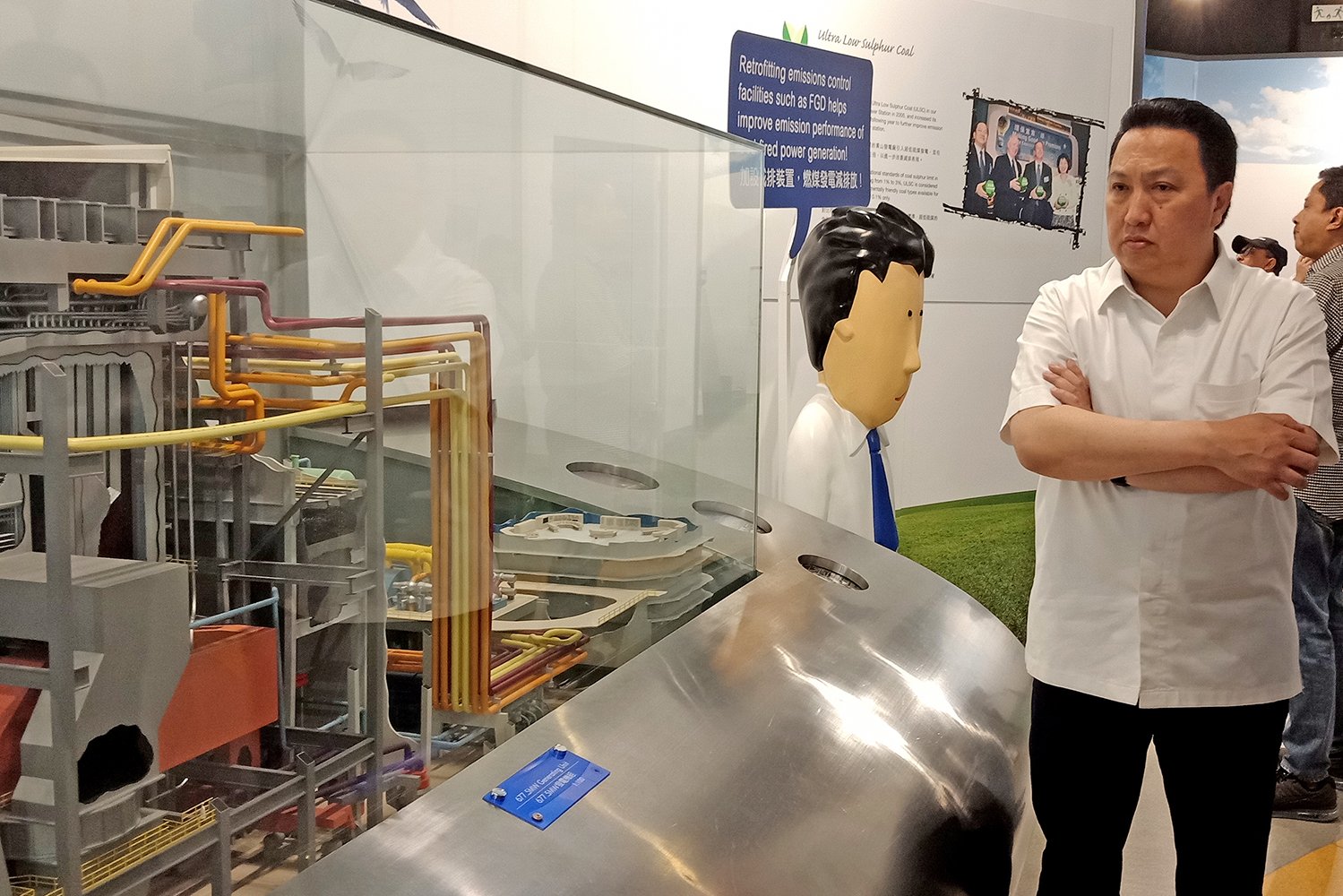
Suralaya power plant that has a capacity of 3,400 MW, the largest in Indonesia, can be used as a comparison. This PLTU in Banten was established in 1984, or only two-year apart from the construction of Castle Peak.
“The key is good management,” he said. “The thing that often happens is that we can build it, but we can't take care of it.” Therefore, if the management system is improved, power plants in Indonesia should be able to survive.
Dapatkan pengalaman membaca lebih nyaman dan nikmati fitur menarik lainnya lewat aplikasi mobile Katadata.